• About
    • Contact

Breaking Man Code

  • Working with the tools at hand creatively  

    August 24th, 2023

    Look for the Helpers: How to Find Positive and Helpful Content on social media  

    We live in a world where we are constantly exposed to news on social media that can be scary, upsetting, or confusing. Sometimes, it can be hard to cope with the negative emotions and thoughts that these events can trigger. However, as Mr. Rogers, the beloved host of the children’s show “Mister Rogers’ Neighborhood”, once said, “When I was a boy and I would see scary things in the news, my mother would say to me, ‘Look for the helpers. You will always find people who are helping.’” This advice helps me find hope and comfort in times of crisis or tragedy by focusing on the positive and helpful actions of others. 

    Mr. Rodgers attributed this quote to his mother while watching the news events. As I understand, He had the guidance of his mother sitting next to him as these events unfolded before his eyes at that age. He had the wisdom of his world sitting next to him.  With social media today being statistically being the go-to source of information for an overwhelming population of the world regardless of age now. This and the easy access to information through your phone and computer have made learning and experiencing a singular moment. It is seemingly presented to us to interpret and come up with our own conclusions. With the influence of the channel content provider in the chat discussions. Very little if any mention will be on the “helpers”. Many times, deteriorating into finger pointing and on emotional reactionary responses without the wisdom or grace of another perspective.  

    One of the places where we can look for “the helpers” is on social media platforms, especially YouTube. YouTube is a popular source of information and entertainment for young people. According to a 2020 survey by Pew Research Center, 81% of 15- to 25-year-olds in the U.S. use YouTube, making it the most widely used online platform among this age group. Moreover, 54% of these users say they use YouTube to learn how to do new things. YouTube offers a variety of content that can educate, inspire, or support young viewers. 

    Some of the content creators who use YouTube to help others are young themselves. These young YouTubers use their platform to raise awareness about critical issues, supply education on diverse topics, inspire action for positive change, or offer support and advice to their peers. For example, Ryan Kaji is a 9-year-old YouTuber who runs the channel Ryan’s World, which has over 28 million subscribers (about the population of Texas). He makes videos about science experiments, toys, and games that are fun and educational for kids. He also uses his fame and fortune to donate to charities and causes that he cares about. Another example is Annie LeBlanc, a 16-year-old YouTuber who runs the channel Annie LeBlanc, which has over 4 million subscribers (about twice the population of New Mexico). She makes videos about her life, music, and fashion that are relatable and empowering for teens. She also uses her platform to spread positivity and kindness by collaborating with other YouTubers and celebrities. 

    However, looking for helpers on social media also comes with some challenges and risks. One of the challenges is finding reliable and exact sources of information. Not all content on YouTube is factual or trustworthy. Some content creators may have ulterior motives, such as promoting their own agenda or making money from ads or sponsors. Therefore, it is important to evaluate the credibility of the sources before trusting or sharing their content. One way to do this is to use the CRAAP test, which stands for Currency, Relevance, Authority, Accuracy, and Purpose. This test helps us check whether the source is up-to-date, relevant to our needs, authoritative in its field, correct in its claims, and clear about its purpose. 

    Another challenge is avoiding confirmation bias, which is the tendency to seek out or favor information that confirms our existing beliefs or opinions. Confirmation bias can lead us to ignore or dismiss evidence that contradicts our views or challenges our assumptions. This can limit our learning and understanding of different perspectives and issues. Therefore, it is important to check multiple sources of information and compare them for consistency and validity. This can help us find a balanced and nuanced view of the topic. 

    A third challenge is dealing with online harassment, which is any form of unwanted or abusive behavior that occurs online. Online harassment can include cyberbullying, trolling, doxing, stalking, or threatening someone online. Online harassment can have negative effects on the mental health and well-being of the victims and bystanders. Therefore, it is important to report any online harassment that we witness or experience to the proper authorities or platforms. It is also important to seek help from trusted adults or professionals if we feel overwhelmed or distressed by online harassment. 

    A fourth challenge is keeping a healthy balance between online and offline activities. Spending too much time online can have negative consequences on our physical health, such as eye strain, headaches, sleep problems, or obesity. It can also affect our social skills, relationships, and self-esteem. Therefore, it is important to limit our screen time and engage in other activities that are beneficial for our health and happiness. These activities can include exercising, reading, playing games, spending time with family and friends, or pursuing hobbies. 

    In conclusion, looking for helpers on social media can be a valuable way to find hope and comfort in times of crisis or tragedy. It can also help us learn new things, form our own opinions, find role models, and join communities. However, we also need to be aware of the challenges and risks of looking for helpers on social media and take steps to overcome them. We also need to be helpers ourselves by creating or sharing positive and helpful content on social media that can make a difference in the world. 
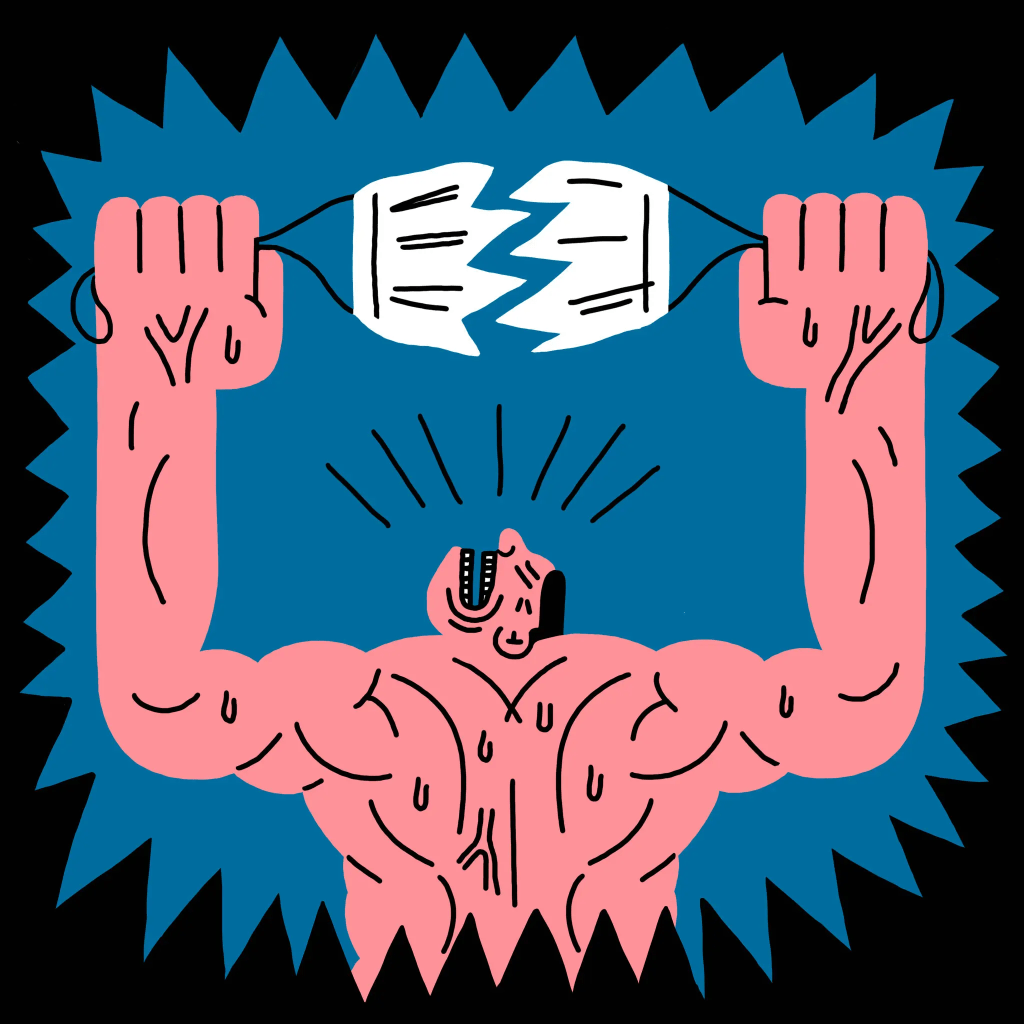
  • Ken and Oppenheimer: Two Portraits of Masculinity in Movies

    August 10th, 2023

    What do a fashion doll and a physicist have in common? They are both protagonists of movies that explore different aspects of masculinity and how they cope with their insecurities and frustrations. Ken from the Barbie movie and Julius Oppenheimer from the Oppenheimer movie are two fictional characters who represent contrasting examples of masculinity in their respective movies. They both have their own insecurities and frustrations, but they deal with them in very different ways. Ken is more compassionate and humbler, while Oppenheimer is more ambitious and arrogant. Their different coping strategies have different consequences for themselves and for others.

    Ken: A Doll’s Journey to Self-Discovery

    Ken is a fashion doll who lives in Barbie land, a feminist utopia where women are empowered, and men are supportive. He is in love with Barbie, the most popular and successful doll in Barbie land, but he feels insecure about his role and identity in their relationship. He wants to be more than just an accessory to Barbie, but he doesn’t know how to express his feelings or find his own purpose. All he can do is “Beach”. That dosen’t seem very productive or worthwhile does it?

    He copes with his insecurities and frustrations by leaving Barbie land and discovering the real world, where men are dominant and powerful. He tries to emulate the stereotypes of masculinity that he sees in movies and media, such as wearing fur coats, riding horses, and building a Mojo Dojo Casa House. He also tries to impose his newfound authority on the other Kens, who follow him blindly.

    However, he soon realizes that his actions are not making him happy or fulfilled, and that he is alienating Barbie and the other Barbies. He eventually learns to accept himself as he is, and to respect Barbie as an equal partner. He also discovers his own passions and talents, such as singing and dancing.

    Ken’s journey is a satire of the traditional gender roles and expectations that society imposes on men and women. It also shows how men can be vulnerable and sensitive, and how they can overcome their insecurities by being true to themselves and by respecting others.

    Oppenheimer: A Genius’s Struggle with His Creation

    Oppenheimer is a physicist who leads the Manhattan Project, the secret program that develops the atomic bomb during World War II. He is a genius and a visionary, who believes that his work will end the war and advance science. He is also a complex and conflicted man, who has a troubled marriage, an affair with a communist sympathizer, and a history of depression.

    He copes with his insecurities and frustrations by dedicating himself to his mission, by collaborating with other brilliant scientists, and by seeking guidance from his mentors. However, he also faces moral dilemmas, political pressures, and personal attacks from his enemies. He struggles with the consequences of his creation, which unleashes unprecedented destruction and changes the course of history. He eventually becomes a victim of the Cold War paranoia, which accuses him of being a traitor and strips him of his security clearance.

    Oppenheimer’s story is a tragedy of the human condition and the ethical implications of scientific progress. It also shows how men can be ambitious and arrogant, and how they can face their insecurities by handling their actions and by accepting their fate.

    Ken and Oppenheimer are two portraits of masculinity in movies that show different aspects of masculinity and how they cope with their insecurities and frustrations. They both have their own insecurities and frustrations, but they deal with them in very different ways. Ken is more compassionate and humbler, while Oppenheimer is more ambitious and arrogant. Their different coping strategies have different consequences for themselves and for others.

    Both of these movies are not only entertaining but also thought provoking, as they challenge the stereotypes of masculinity that are often portrayed in media and culture. They also invite us to reflect on our own identities and relationships, as well as on the social and ethical issues that affect our world.

  • How Workplace Pressures and a “Macho” Culture Can Harm Men’s Health

    August 17th, 2023

    Many men face various challenges and expectations in their work environment that can affect their health and well-being. Workplace pressures and a “macho” culture can discourage men from taking time off work for medical appointments, seeking help when they have health problems, or engaging in preventive health care. This can lead to a delay in diagnosis and treatment and increase the risk of complications and mortality.

    The Effects of Workplace Pressures and a “Macho” Culture on Men’s Health

    Workplace pressures can cause stress, anxiety, and depression, which are common mental health problems among men. These conditions can affect men’s physical health as well, increasing the risk of heart disease, diabetes, and other chronic illnesses. However, many men may not recognize the signs of mental distress or may feel ashamed to admit that they are struggling. They may also fear losing their job or being seen as weak by their co-workers or bosses if they take time off work for mental health reasons.

    A “macho” culture can reinforce the idea that men should be strong and independent. Seeking help is a sign of weakness or failure. This can prevent men from reaching out to their friends, family, or health professionals for support when they face health challenges. It can also make them reluctant to participate in preventive health care, such as regular check-ups, screenings, or vaccinations. As a result, men may delay seeking care until their condition becomes severe or life-threatening.

    Workplace pressures and a “macho” culture can also affect men’s lifestyle choices, such as their diet, exercise, smoking, alcohol consumption, and sleep habits. These factors can influence men’s health and well-being in many ways. For example, poor diet and lack of exercise can lead to obesity, high blood pressure, and high cholesterol, which are risk factors for heart disease and stroke. Smoking and excessive alcohol consumption can damage the lungs, liver, and other organs, as well as increase the risk of cancer. Lack of sleep can impair the immune system, cognitive function, and mood.

    How to Improve Men’s Health in the Workplace

    There are several steps that employers, co-workers, and men themselves can take to improve men’s health in the workplace. These include:

    • Creating a supportive and inclusive work culture that recognises diversity and respects individual needs and preferences.
    • Providing flexible work arrangements that allow men to balance their work and personal responsibilities and reduce stress.
    • Encouraging men to take breaks during the workday and use their paid leave for medical appointments or personal reasons.
    • Promoting healthy habits among employees, such as providing healthy food options, organizing physical activities, offering smoking cessation programs, and limiting alcohol consumption at work events.
    • Raising awareness and education about men’s health issues and the benefits of preventive health care.
    • Providing access to mental health resources and services, such as counseling, employee assistance programs, or peer support groups.
    • Recognizing and rewarding men who seek help or take care of their health as role models and leaders.

    By taking these actions, employers can create a healthier and happier work environment for men and improve their productivity and performance. Co-workers can also support each other by showing empathy, compassion, and understanding. Men can also take charge of their own health by seeking help when they need it, taking advantage of preventive health care opportunities, and making positive lifestyle changes.

    Conclusion

    Men’s health is an important issue that affects not only individuals but also families, communities, and society. Workplace pressures and a “macho” culture can have negative impacts on men’s health and well-being. However, there are ways to overcome these barriers and improve men’s health in the workplace. By creating a supportive work culture, promoting healthy habits, raising awareness, providing access to resources, and encouraging help-seeking behavior, employers, co-workers, and men themselves can make a difference in improving men’s health outcomes.

  • “The Toxic Cycle: Why Neotraditional Masculinity Could Be Killing You Slowly”

    August 17th, 2023

    We live in a world where we are constantly bombarded with messages about what it means to be a man. You know what I am talking about: the images of muscular, handsome, successful, and powerful men that we see in movies, magazines, ads, and now social media. I cannot check an email without being reminded how insufficient I am compared to the others of my tribe.  These images tell us that we must be strong, dominant, and competitive, and that we cannot show any weakness or vulnerability. 

    These messages are not only unrealistic, but also harmful. They can make us feel inadequate, insecure, and unhappy while while messaged as self improvement . They can also prevent us from seeking help when we need it. I have found myself “reaching out” in my preferred social media platform only to be a passive observer of some extremely bad advice, cynicism, and obvious political influencing. Expressing our emotions and forming healthy relationships should be our #1 priority in our self-journey or recovery. In this article, I am going to explain how these stereotypes affect our health and well-being, and how we can overcome them by embracing a new masculinity that is more positive and inclusive. 

    The Struggle to Seek Help 

    One of the biggest problems with the traditional view of masculinity that keeps changing with every influencer, is that it makes us reluctant to seek help for our health issues. We think that asking for help is a sign of weakness or incompetence, and that we must deal with everything on our own. This can lead to profound consequences for our physical health. 

    For example, men are less likely to visit a doctor than women. According to a study by the U.S. Centers for Disease Control and Prevention (CDC), men are 24% less likely than women to have visited a doctor within the past year. This means that they are more likely to miss preventive care, screenings, and treatments that could save their lives. 

    Men are also more likely to die from preventable diseases than women. According to the World Health Organization (WHO), men have higher mortality rates than women for all 15 leading causes of death worldwide, including heart disease, cancer, diabetes, and suicide. In fact, the average life expectancy for men is five years shorter than for women. 

    So why do we avoid going to the doctor? Well, there are many reasons, but some of the most common ones are: 

    – Fear of being judged or ridiculed by others 

    – Lack of awareness or knowledge about health issues 

    – Lack of trust or confidence in the health care system 

    – Lack of time or money 

    – Lack of male-friendly health services 

    These barriers can be hard to overcome, but they are not insurmountable. We need to realize that seeking help is not a sign of weakness, but a sign of strength and responsibility. We need to take care of ourselves, not only for our own sake, but also for the sake of our loved ones who depend on us. 

    Body Image and Mental Health Issues 

    Another problem with the traditional view of masculinity is that it creates unrealistic and unhealthy expectations about our appearance. We are constantly exposed to images of men who have perfect bodies: muscular, lean, tall, and handsome. These images make us feel like we must look like them to be attractive, successful, and respected. 

    But guess what? These images are not only unrealistic, but also harmful. They can make us feel dissatisfied with our bodies, 

    low self-esteem, depression, anxiety, and even eating disorders. Men may face social pressure, discrimination, or bullying due to their appearance, causing further emotional distress. 

    Unhealthy Approaches to Achieving the Ideal 

    To match societal ideals, men may resort to unhealthy behaviors like excessive exercise, steroid use, and risky surgeries, leading to serious physical and psychological consequences. 

    These behaviors can damage our organs, muscles, bones, skin, and hair, as well as increase our risk of infections, cancers, and heart problems. 

    They can also affect our mental health, causing mood swings, aggression, 

    addiction, and suicidal thoughts. 

    Emotional Expression and Relationships 

    The perception of needing to be tough and independent can hinder men from expressing emotions or seeking emotional support, leading to isolation, loneliness, and difficulties in forming meaningful relationships. 

    We may feel that we must hide our feelings or cope with them alone, even when we are going through tough times or facing challenges. 

    We may also struggle to communicate our needs, wants, and preferences to others, leading to misunderstandings, conflicts, and resentment. 

    This can affect our relationships with our family, friends, partners, and co-workers, as well as our own happiness and well-being. 

    We may miss the benefits of emotional intimacy, such as trust, compassion, 

    and empathy. 

    Promoting a New Masculinity 

    So how can we overcome these challenges and improve our health and well-being? 

    The answer is simple: by promoting a new masculinity that is more positive and inclusive. 

    A new masculinity that values well-being over appearance, encourages seeking help without shame, and supports open emotional expression. 

    What does this new masculinity look like? 

    Well, it can look different for everyone, but here are some general principles that we can follow: 

    – Accept and appreciate our bodies as they are, and focus on health rather than appearance. 

    – Seek professional help when we need it, and do not be afraid to ask for support from our loved ones. 

    – Express our emotions in healthy and constructive ways, and listen to others with empathy and respect. 

    – Respect and celebrate diversity in ourselves and others, and challenge stereotypes and discrimination. 

    – Pursue our passions and interests, and explore our identities and potentials. 

    By following these principles, we can create a new masculinity that is more authentic, fulfilling, and empowering. 

    We can also inspire others to do the same, and create a more positive and inclusive culture for everyone. 

    So, what do you think? 

    Are you ready to join me in this journey of reimagining masculinity? 

    Let me know in the comments below, 

    and do not forget to subscribe to my blog for more updates. 

    Thanks for reading, 

    Scott Wolf @breakingmancodegmailcom

  • How Workplace Pressures and a “Macho” Culture Can Harm Men’s Health

    August 12th, 2023

    Many men face various challenges and expectations in their work environment that can affect their health and well-being. Workplace pressures and a “macho” culture can discourage men from taking time off work for medical appointments, seeking help when they have health problems, or engaging in preventive health care. This can lead to a delay in diagnosis and treatment and increase the risk of complications and mortality.

    The Effects of Workplace Pressures and a “Macho” Culture on Men’s Health

    Workplace pressures can cause stress, anxiety, and depression, which are common mental health problems among men. These conditions can affect men’s physical health as well, increasing the risk of heart disease, diabetes, and other chronic illnesses. However, many men may not recognize the signs of mental distress or may feel ashamed to admit that they are struggling. They may also fear losing their job or being seen as weak by their co-workers or bosses if they take time off work for mental health reasons.

    A “macho” culture can reinforce the idea that men should be strong and independent. Seeking help is a sign of weakness or failure. This can prevent men from reaching out to their friends, family, or health professionals for support when they face health challenges. It can also make them reluctant to participate in preventive health care, such as regular check-ups, screenings, or vaccinations. As a result, men may delay seeking care until their condition becomes severe or life-threatening.

    Workplace pressures and a “macho” culture can also affect men’s lifestyle choices, such as their diet, exercise, smoking, alcohol consumption, and sleep habits. These factors can influence men’s health and well-being in many ways. For example, poor diet and lack of exercise can lead to obesity, high blood pressure, and high cholesterol, which are risk factors for heart disease and stroke. Smoking and excessive alcohol consumption can damage the lungs, liver, and other organs, as well as increase the risk of cancer. Lack of sleep can impair the immune system, cognitive function, and mood.

    How to Improve Men’s Health in the Workplace

    There are several steps that employers, co-workers, and men themselves can take to improve men’s health in the workplace. These include:

    • Creating a supportive and inclusive work culture that recognises diversity and respects individual needs and preferences.
    • Providing flexible work arrangements that allow men to balance their work and personal responsibilities and reduce stress.
    • Encouraging men to take breaks during the workday and use their paid leave for medical appointments or personal reasons.
    • Promoting healthy habits among employees, such as providing healthy food options, organizing physical activities, offering smoking cessation programs, and limiting alcohol consumption at work events.
    • Raising awareness and education about men’s health issues and the benefits of preventive health care.
    • Providing access to mental health resources and services, such as counseling, employee assistance programs, or peer support groups.
    • Recognizing and rewarding men who seek help or take care of their health as role models and leaders.

    By taking these actions, employers can create a healthier and happier work environment for men and improve their productivity and performance. Co-workers can also support each other by showing empathy, compassion, and understanding. Men can also take charge of their own health by seeking help when they need it, taking advantage of preventive health care opportunities, and making positive lifestyle changes.

    Conclusion

    Men’s health is an important issue that affects not only individuals but also families, communities, and society. Workplace pressures and a “macho” culture can have negative impacts on men’s health and well-being. However, there are ways to overcome these barriers and improve men’s health in the workplace. By creating a supportive work culture, promoting healthy habits, raising awareness, providing access to resources, and encouraging help-seeking behavior, employers, co-workers, and men themselves can make a difference in improving men’s health outcomes.

  • Belonging

    August 11th, 2023

    Individuals drowning in a sea off information, lizard brain driven to seek comfort in the own thoughts and egos. Desperately seeking their own way.

  • Friday Morning Kinda Feeling

    August 11th, 2023

    The only thing that kept him from the release of insanity was his deep sense of shame. A shame born from implied responsibility from others and mostly, himself.  A shame with no origin, it hides in the many connections it has to the people in his life.  It has no purpose for being. No lessons to be learned or teachable moments. It felt inevitable. 

  • FIND WHAT YOU LOVE AND LET IT KILL YOU (A Revisit)

    August 11th, 2023

    Hank’s allure for me as a young man lay in his unhealthy resistance to modernist thinking, complemented by an aggressive unapologetic frankness.  

    He viewed the world with a cynical eye, elevating himself above the rest, observing everything as if it were merely above it all. Hank shared perspective with a distinct rawness. His views on women, alcohol, and life’s station came with an, accept my true self attitude, and he cared little for conventional opinions. He was an iconoclast, disregarding both the mainstream and the counterculture.

    While deriding Hemingway’s overt machismo, he was pretentious in his own right, struggling with his own sense of masculinity. For Hank, there was no anchor, no norm to adhere to, only his troubled way.

    Charels in real life worked for the post office for over 10 years. “How in the hell could a man enjoy being awakened at 8:30 a.m. by an alarm clock, leap out of bed, dress, force-feed, shit, piss, brush teeth and hair, and fight traffic to get to a place where essentially you made lots of money for somebody else and were asked to be grateful for the opportunity to do so?” But that title didn’t diminish the stories he had to share. His working for the post office didn’t define him. Hank narrated life’s experiences in his manner, writing with raw passion, bearing his flaws whether intentional or not.

    He put in the fucking work. 

    Now, for me, the wisdom in understanding Hank lies not in the celebration of his flaws or the way his passion may have consumed him. Hank was a traitor to most, an outsider, who communicated with the society he was born into.

    Recognizing this doesn’t erase the clear critique of his own hypocrisy, displayed in his raw and self-centered style. Through his words, he gave life and a human essence to the individuals he resonated with, the freaks of their days in all their unraveled selves. He gave a voice to the lost souls who were shunned from their own tribes, looking for connection. He lived through his work and had the same fate as we are all destined to have.

     “We’re all going to die, all of us, what a circus! That alone should make us love each other but it doesn’t.”

    Scott Wolf

  • Exploring the Social Reluctance of Men Opting for Weight Loss Surgery

    August 10th, 2023

    Unraveling the Stigma:

    Exploring the Social Reluctance of Men Opting for Weight
    Loss Surgery


    Introduction
    Weight loss surgery has emerged as a potentially life-changing solution for individuals struggling with severe obesity. While it has gained considerable acceptance in recent years, there remains a notable disparity in the number of men opting for such procedures compared to women. With the number being as much as 80% women having this life changing surgery.

    This phenomenon can be attributed to various social, cultural, and psychological factors that contribute to the reluctance of men to pursue
    weight loss surgery. In this article, we delve into the reasons behind this disparity and
    shed light on the importance of breaking the stigma surrounding men and weight loss
    surgery.

    The Gender Gap in Weight Loss Surgery:


    Studies have shown that women are more likely to seek and undergo weight loss surgery compared to men. 1 Physiologic and psychological gender differences in bariatric surgery | SpringerLink. The reasons for this gender gap are multifaceted and encompass various social and cultural elements that shape how men perceive their bodies and health.

    Societal Expectations of Masculinity:


    One of the key reasons behind men’s reluctance to consider weight loss surgery lies in the societal expectations of masculinity. Historically, traditional masculinity has been
    associated with physical strength and a robust, larger physique. Seeking medical
    interventions for weight loss might be perceived as a sign of weakness or a failure to
    conform to these gender norms, leading men to avoid discussing their weight-related
    issues and exploring surgical options.

    Fear of Judgment and Stigmatization:


    Men may also fear being judged or stigmatized by their peers, family, or colleagues if
    they choose to undergo weight loss surgery. The stigma associated with being
    overweight or undergoing surgical procedures for weight management can be daunting
    and deter men from seeking the help they need.

    Reluctance to Address Vulnerability:


    Expressing vulnerability is often discouraged in traditional masculinity, which can create a barrier for men when it comes to acknowledging their struggles with weight and health. This can lead to a reluctance to discuss weight loss concerns openly and, subsequently, a hesitancy to explore surgical options as a solution.

    Lack of Awareness and Information:


    The lack of awareness and information about weight loss surgery and its benefits may also contribute to the gender disparity. Men might not be as exposed to the available options or success stories of weight loss surgery as women are, thus further
    diminishing their inclination to consider it as a viable choice.

    Breaking the Barriers:


    It is crucial to address and dismantle the societal norms and stereotypes that contribute to the reluctance of men opting for weight loss surgery. Here are some steps that canmbe taken to bridge the gender gap:
    Promote Body Positivity and Health Awareness: Encouraging body positivity for all body types and promoting overall health awareness can help create an
    environment where individuals feel comfortable discussing their weight-related issues without fear of judgment.

    Educate and Raise Awareness:

    Healthcare professionals, media, and community leaders should actively work to educate the public about weight loss surgery, its safety, efficacy, and potential benefits. Disseminating accurate information can help dispel misconceptions and reduce stigmatization.
    Challenge Traditional Masculinity Norms: Encouraging men to challenge
    traditional masculinity norms and embrace their vulnerability can create a more supportive and understanding environment for those considering weight lossnsurgery.


    Support Groups and Peer Networks:

    Establishing support groups and peer
    networks specifically designed for men considering weight loss surgery can
    provide a safe space for open discussions and sharing experiences.

    Conclusion:


    The social reluctance of men opting for weight loss surgery is a complex issue deeply rooted in societal expectations and norms. By promoting body positivity, raising awareness, and challenging traditional masculinity norms, we can foster an menvironment where all individuals, regardless of gender, feel empowered to addressmtheir weight-related concerns and make informed decisions about their health.

Blog at WordPress.com.


Loading Comments...
 

    • Subscribe Subscribed
      • Breaking Man Code
      • Already have a WordPress.com account? Log in now.
      • Breaking Man Code
      • Subscribe Subscribed
      • Sign up
      • Log in
      • Report this content
      • View site in Reader
      • Manage subscriptions
      • Collapse this bar